
Jury selection, or voir dire, is a pivotal stage in a trial where attorneys shape the group responsible for deciding the case.
Effective jury selection sets a positive tone for the proceedings, while poor execution can hinder your ability to connect with jurors and present your client’s narrative.
In this post, we’ll walk through how to select jurors, break down the dos and don’ts of jury selection, and talk about how lawyers pick jurors, along with special insight for cases involving multilingual parties and the role of Language Litigation Services.
How Juries Are Picked
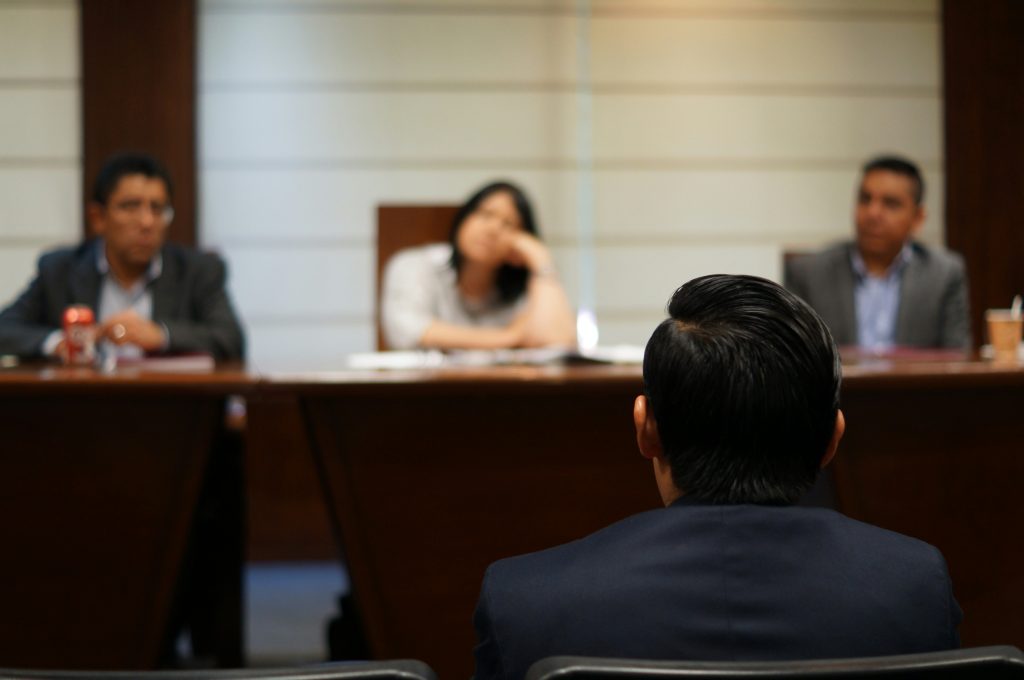
When lawyers discuss how juries are picked, they mean the voir dire process. This is the part of the trial when potential jurors are questioned before joining the jury. Voir dire helps attorneys and the judge determine whether a juror can be fair and impartial.
According to the Legal Information Institute at Cornell Law School, jury selection starts with a jury pool. These are people who are called from lists such as voter registration or driver’s license records. The process ends when the final group is chosen to hear the case.
Here’s what happens in a nutshell:
- The court summons a group of potential jurors.
- The judge and attorneys ask questions about background, bias, and ability to follow the law.
- Lawyers may ask the judge to excuse a juror “for cause” if a specific bias is revealed.
- Each side also has a limited number of peremptory challenges, which are strikes that do not require a reason.
The goal is to have a jury that is impartial, attentive, and able to decide the case based on the evidence and the law, not on outside assumptions.
How Lawyers Pick Jurors
The short answer is that they use strategy, empathy, and listen more than they talk.
Good attorneys approach voir dire with a plan. Instead of just following a checklist, they focus on the key themes in their case. They listen for signs that a juror can be fair, follow complex testimony, and not be influenced by things that don’t matter.
In everyday practice, that looks like:
- Asking questions that go beyond “yes/no” answers.
- Observing body language and cues that aren’t spoken aloud.
- Making sure jurors understand what to expect from interpretation (if needed).
In cases where someone speaks another language or testimony will be interpreted, this is even more important. Jurors must be patient with interpreted testimony and open to hearing evidence from a third party without bias.
This is where specialized support, such as Language Litigation Services, is important. They help attorneys predict how jurors might react, prepare clients for interpreted testimony, and practice with mock sessions so the real trial feels more familiar and fair.
The Dos and Don’ts of Jury Selection
Let’s get practical. What are the dos and don’ts of jury selection that every attorney should keep in mind?
- Do Ask Thoughtful, Open-Ended Questions
Don’t ask questions that can be answered with just “yes” or “no.” Instead, ask questions that prompt jurors to discuss their experiences and views. This helps you identify issues early.
- Do Listen — Really Listen
One of the biggest mistakes attorneys make is talking too much during voir dire. The best information often comes from what jurors say when they have the chance to speak.
- Do Prepare for Language Challenges
If the testimony will use an interpreter, make sure jurors know what that means and do not assume that language differences affect credibility
- Don’t Rely on Stereotypes
Making assumptions based on age, gender, ethnicity, or accent can cause you to miss important details and may raise ethical issues. Good jury selection focuses on each person’s responses and behavior, not on generalizations.
- Don’t Ignore Nonverbal Cues
If a juror shows dismissive gestures, seems uncomfortable with complex topics, or looks frustrated during questions, these may be signs that they could lose interest later.
- Don’t Rush the Process
It’s easy to think you know who is right or wrong for your case after just a few answers, but being patient is important. The goal is not just to remove the worst jurors, but to find people who will listen, understand the evidence, and apply the law fairly.
How Do I Select a Jury When Multiple Languages Are Involved?
This is a question many lawyers wrestle with: How do I select a jury when the case involves multiple languages?
When language and communication are central to a trial, jury selection must include questions that touch on:
- Comfort with interpreted testimony: Will this juror be patient and pay attention if some of the case is presented through an interpreter?
- Experience with other cultures/languages: Has the juror’s background given them experience in multilingual settings?
- Assumptions about language and credibility — does the juror (consciously or unconsciously) trust non-English speakers less?
Good jury selection does more than remove bias. It creates a group that can understand evidence presented through translation and cultural differences. Working with Language Litigation Services early helps you improve your voir dire questions and practice with mock exercises, making your client’s testimony more effective.
Why Jury Selection Matters
The bottom line is that jury selection is not just a formality. It is a key part of trial work that directly affects how your evidence is received and understood.
Courts and scholars agree that a fair jury is important for justice. This is not only because jurors are impartial, but also because they understand the case well enough to apply the law fairly.
Whether your case involves technical evidence, emotional testimony, or interpreted proceedings, taking jury selection seriously gives you a significant advantage.
Master The Principles and Practice of Jury Selection
Jury selection is not about choosing people who are friendly to your client. It is about understanding people—how they think, what they offer, and how they will connect with your story and evidence.
By asking good questions, listening carefully, avoiding assumptions, and planning for language issues with help from Language Litigation Services, lawyers can select jurors who deliver fair and thoughtful verdicts.